Specialized Blood Exchange Therapy Unit
Our Exchange Blood Transfusion Facility provides a safe and efficient procedure to remove unhealthy blood and replace it with healthy donor blood. It is especially useful in treating severe conditions like jaundice in newborns, sickle cell disease, and certain blood disorders. The process is done under expert medical supervision with strict safety protocols to ensure the best patient outcomes.
About the Speciality
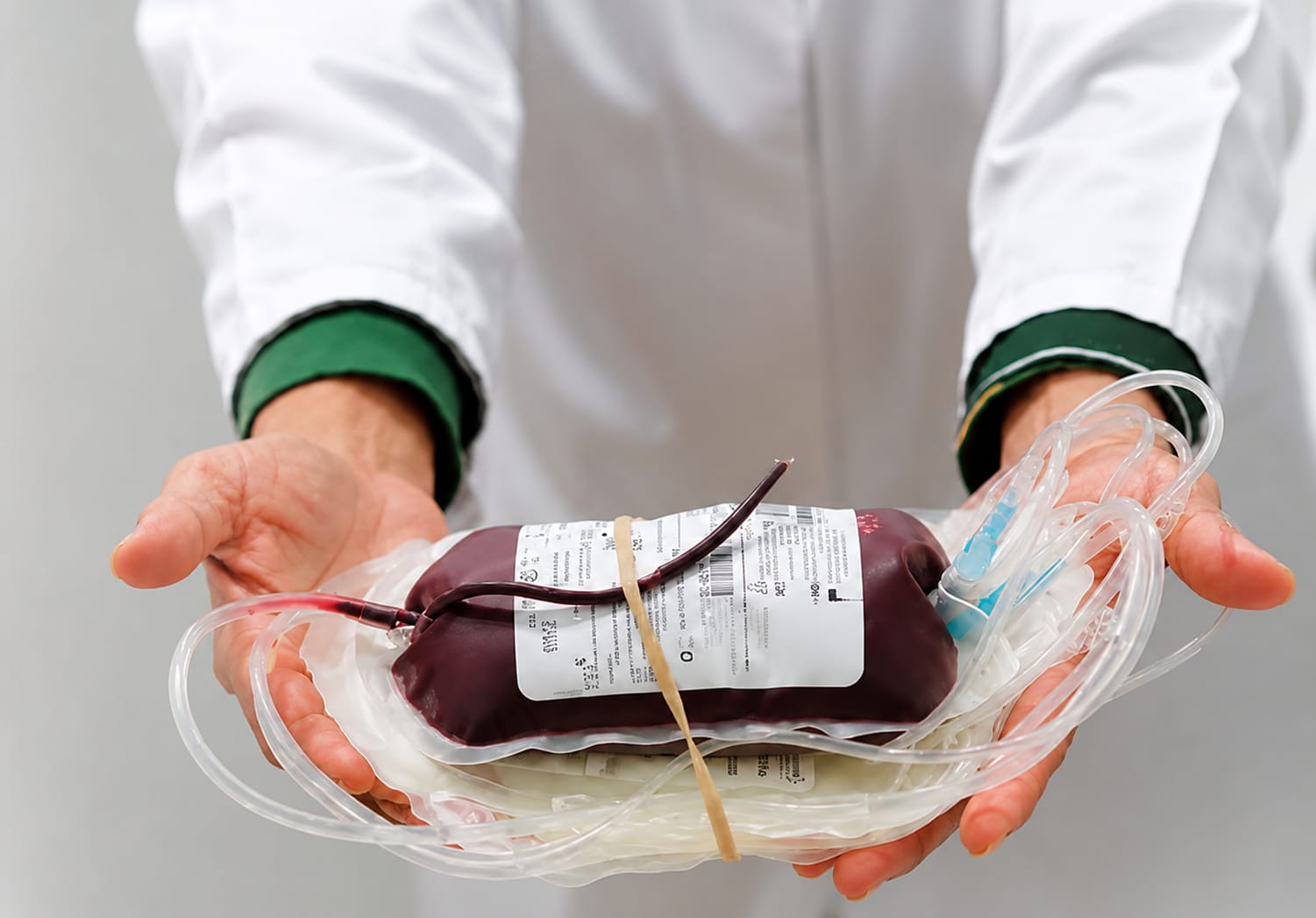
Our Exchange Blood Transfusion Facility is designed to provide advanced and life-saving care for patients who require rapid removal of abnormal or damaged blood components. The procedure involves carefully replacing the patient’s blood with healthy donor blood to restore normal function and improve overall health outcomes. It is performed under strict medical supervision to ensure maximum safety and effectiveness.
This specialized treatment is commonly used for conditions such as severe jaundice in newborns, sickle cell disease complications, malaria-related blood issues, and certain poisoning or toxin exposures. By rapidly reducing harmful substances in the blood, exchange transfusion helps prevent serious complications and supports faster recovery.
Our facility is equipped with modern technology and follows international safety standards for blood matching, monitoring, and transfusion procedures. A highly trained team of doctors, nurses, and technicians work together to ensure precise execution and continuous patient monitoring throughout the process.
We prioritize patient safety, comfort, and care at every step. Emergency support systems and advanced monitoring equipment are always in place to manage any complications immediately. Our goal is to deliver reliable, efficient, and compassionate care for critically ill patients needing exchange blood transfusion therapy.

Exchange Blood Transfusion
Precision. Safety. Life-Saving Care.
Advanced Critical Care Support
24/7 Emergency Support
Expert Medical Supervision
Advanced Monitoring Systems
Safe & Hygienic Procedure Protocols
Conditions We Care For
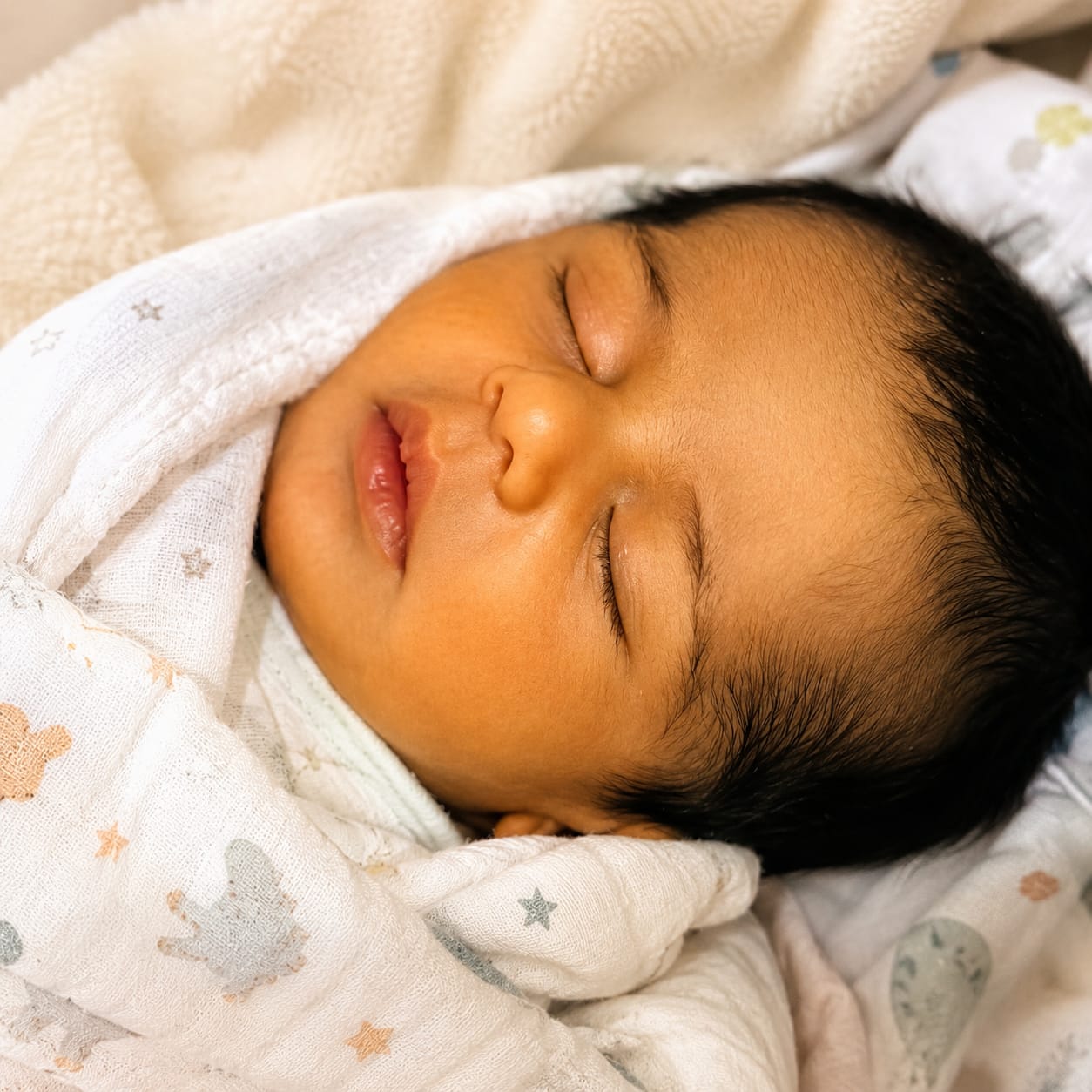
Neonatal Jaundice
We treat severe jaundice in newborn babies using safe exchange transfusion methods. This helps quickly remove excess bilirubin and protects the baby’s brain and health.
Sickle Cell Disease
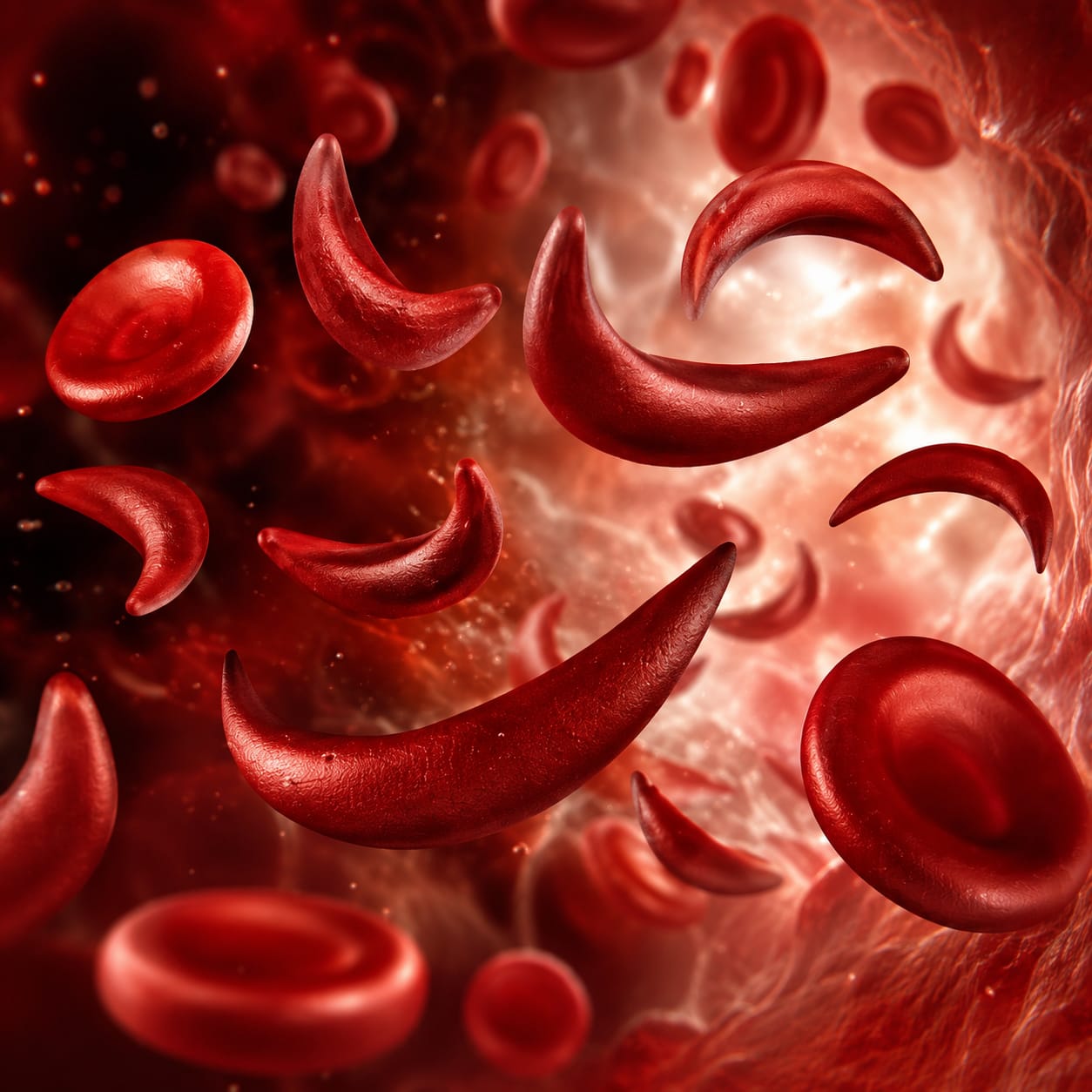
Exchange transfusion helps reduce sickled red blood cells and improve oxygen flow. It prevents pain crises and serious complications in patients.
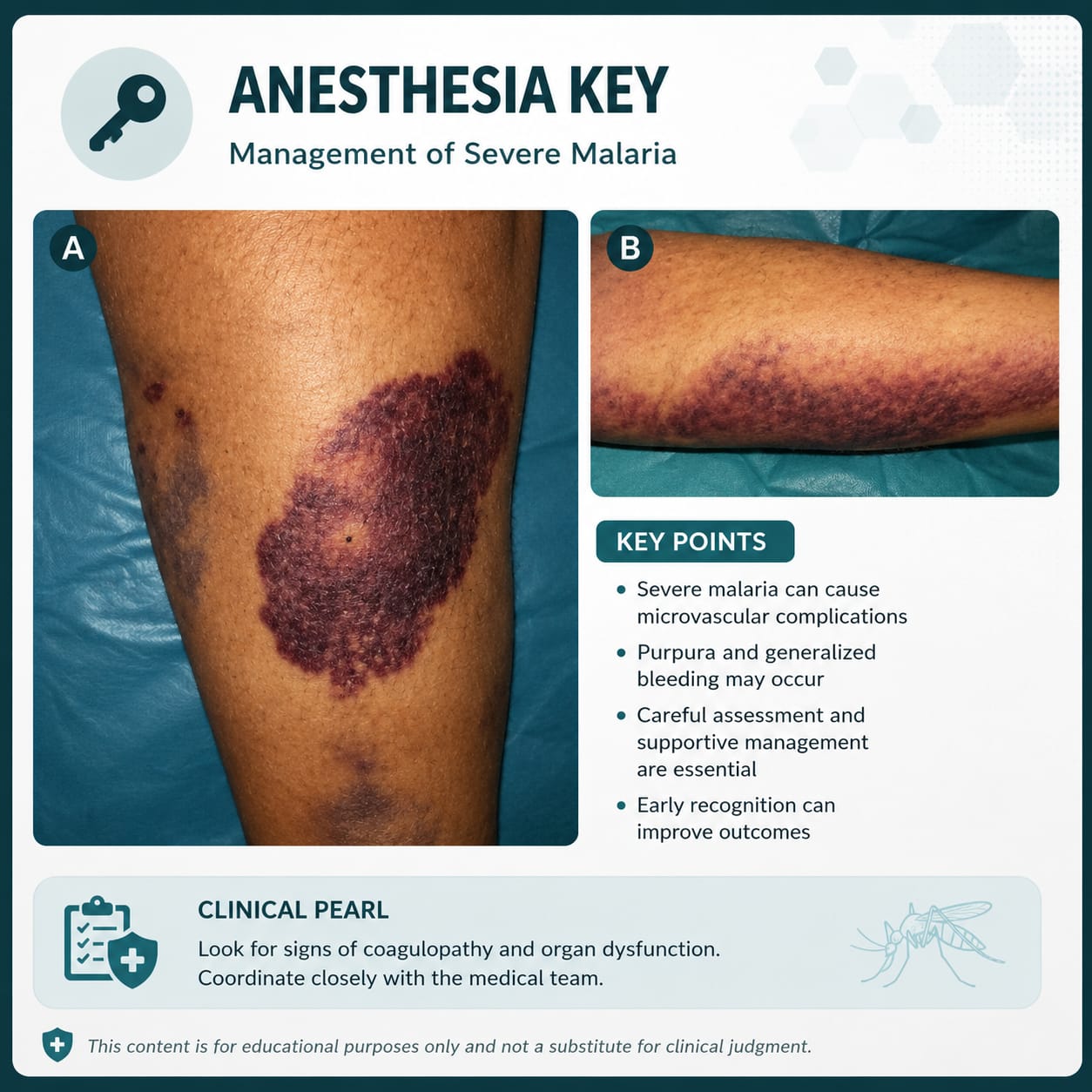
Severe Malaria
In critical malaria cases, infected blood is replaced to reduce parasite load. This improves recovery and prevents organ damage.
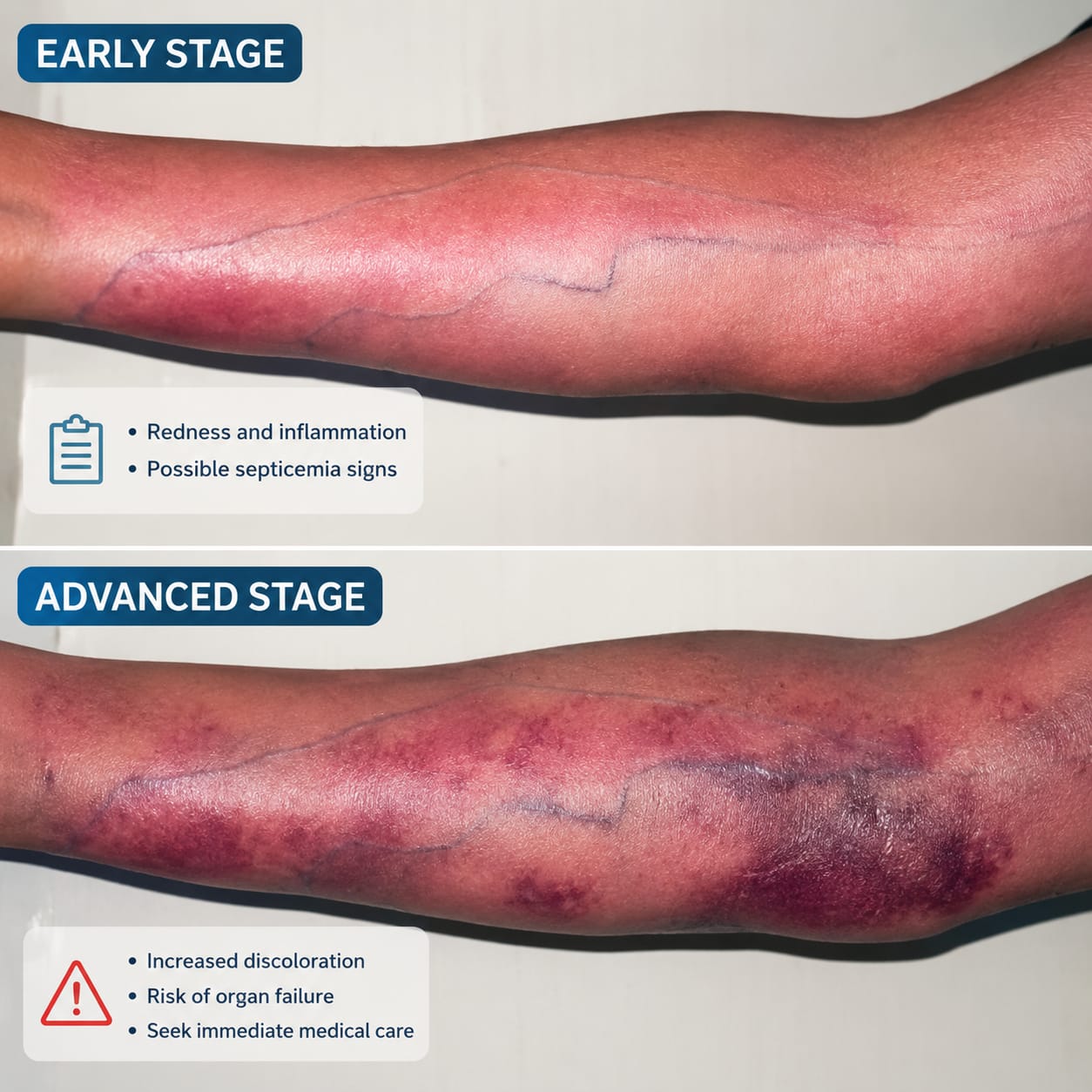
Blood Poisoning (Sepsis-related complications)
We help manage severe infections affecting the blood system. The procedure supports faster stabilization and recovery.
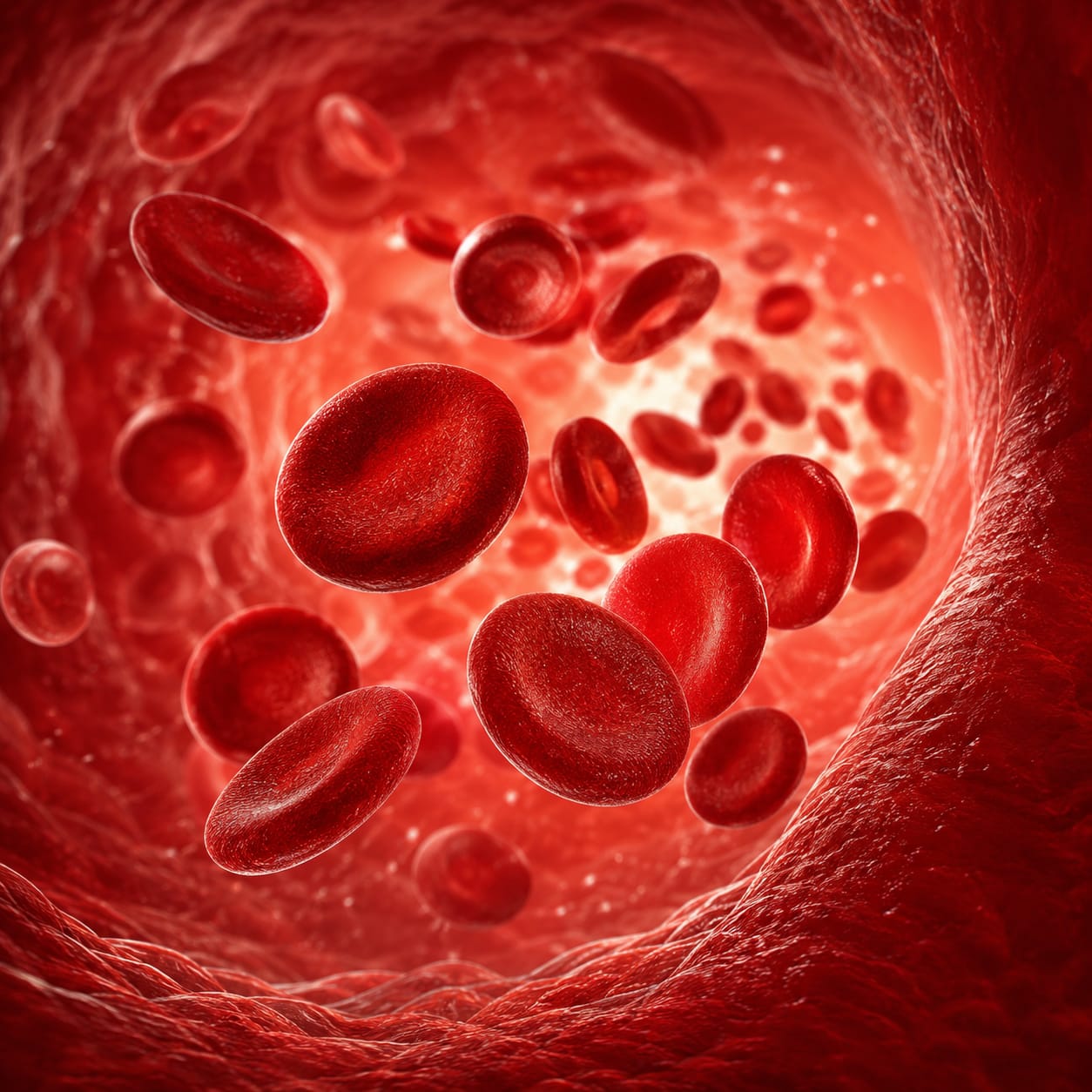
Hemolytic Disorders
Conditions causing rapid destruction of red blood cells are effectively managed. Exchange transfusion helps restore healthy blood balance.
Drug or Toxin Exposure
In cases of severe poisoning, harmful substances are removed from the blood. This treatment helps prevent life-threatening complications.
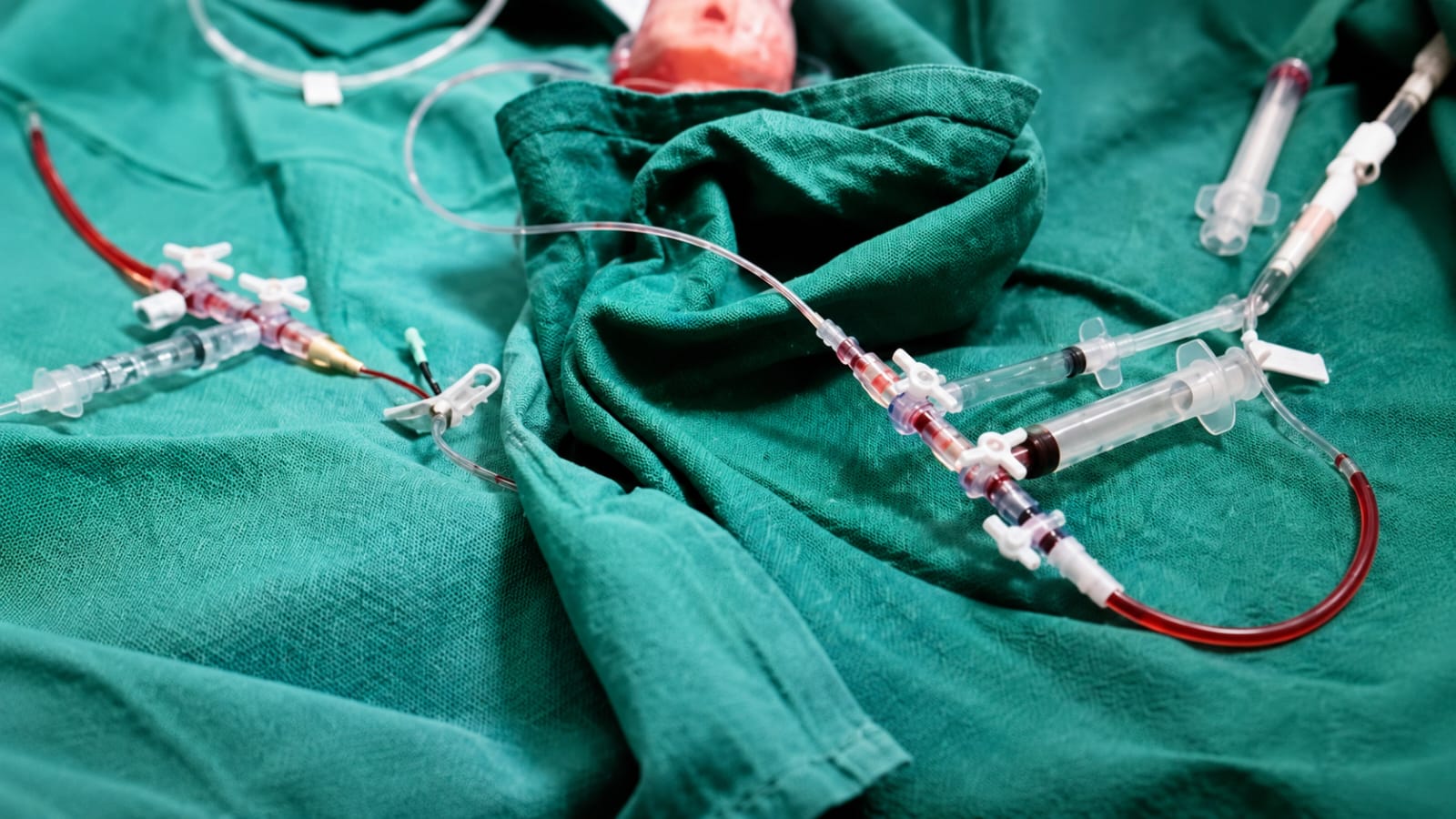
Partial Exchange Transfusion
Partial Exchange Transfusion is a controlled medical procedure used to treat newborn jaundice by replacing a portion of the baby’s blood with healthy donor blood. It helps reduce excess bilirubin levels and prevents complications such as brain damage. The procedure is performed under strict medical supervision with continuous monitoring of heart rate, oxygen levels, and blood pressure. Doctors carefully calculate blood volume based on the baby’s weight and condition. Sterile techniques are followed to prevent infection. This method improves liver function and blood quality. It is considered safe and effective in neonatal care. After the procedure, the baby is closely observed for stability. Follow-up tests confirm bilirubin reduction. Parents are guided about post-care instructions. Recovery is usually smooth with proper monitoring. It reduces the need for aggressive interventions. It is a reliable and life-saving neonatal treatment option.