
High-Dependency Paediatric Intensive Care Unit
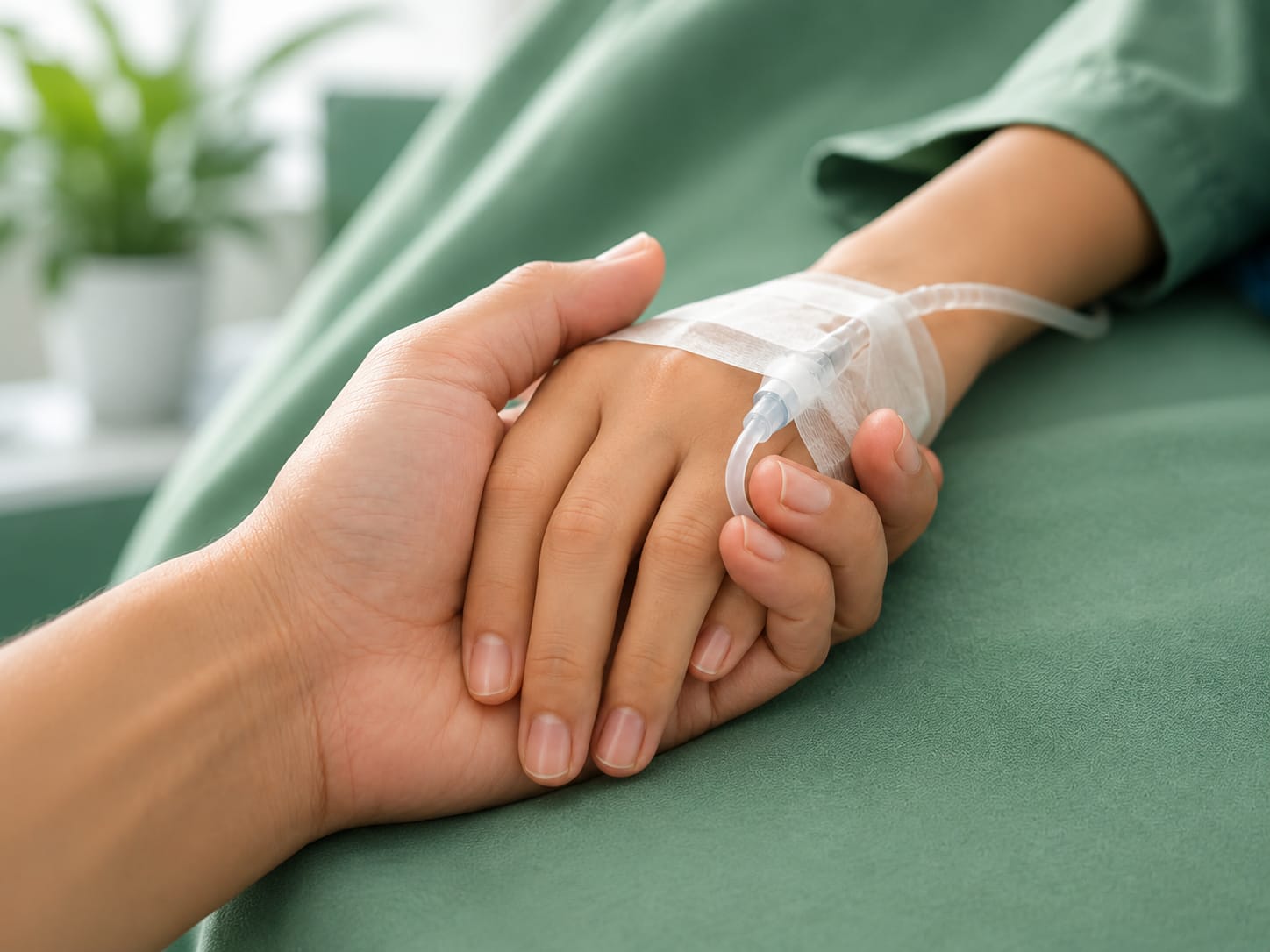
Our Paediatric Intensive Care Unit provides advanced critical care for infants and children with life-threatening conditions. We ensure 24/7 continuous monitoring with highly trained paediatric specialists and nursing staff. State-of-the-art equipment and emergency support systems are available for immediate treatment. We focus on delivering safe, compassionate, and effective care for every child’s recovery.
About the Speciality
Paediatric Intensive Care is a highly specialized branch of medicine focused on the treatment of critically ill infants, children, and adolescents. It involves the management of severe and life-threatening conditions that require constant monitoring, advanced medical support, and immediate intervention.
Our Paediatric Intensive Care Unit (PICU) is designed to provide round-the-clock care using advanced life-support systems and modern medical technology. A dedicated team of experienced paediatric intensivists, nurses, and support staff work together to ensure the best possible outcomes for every child.
We manage a wide range of critical conditions including respiratory failure, severe infections, trauma, neurological emergencies, and post-surgical complications. Each child receives individualized, evidence-based treatment tailored to their specific needs.
With a strong focus on safety, compassion, and continuous monitoring, our PICU ensures timely intervention and comprehensive care during the most critical stages of a child’s illness.

Paediatric Intensive Care Unit (PICU)
Critical Care for Infants & Children
Advanced Paediatric Emergency & Intensive Care
24/7 Critical Monitoring
Advanced Ventilator Support
Emergency Life-Saving Care
Experienced Paediatric Intensivists
Conditions We Care For
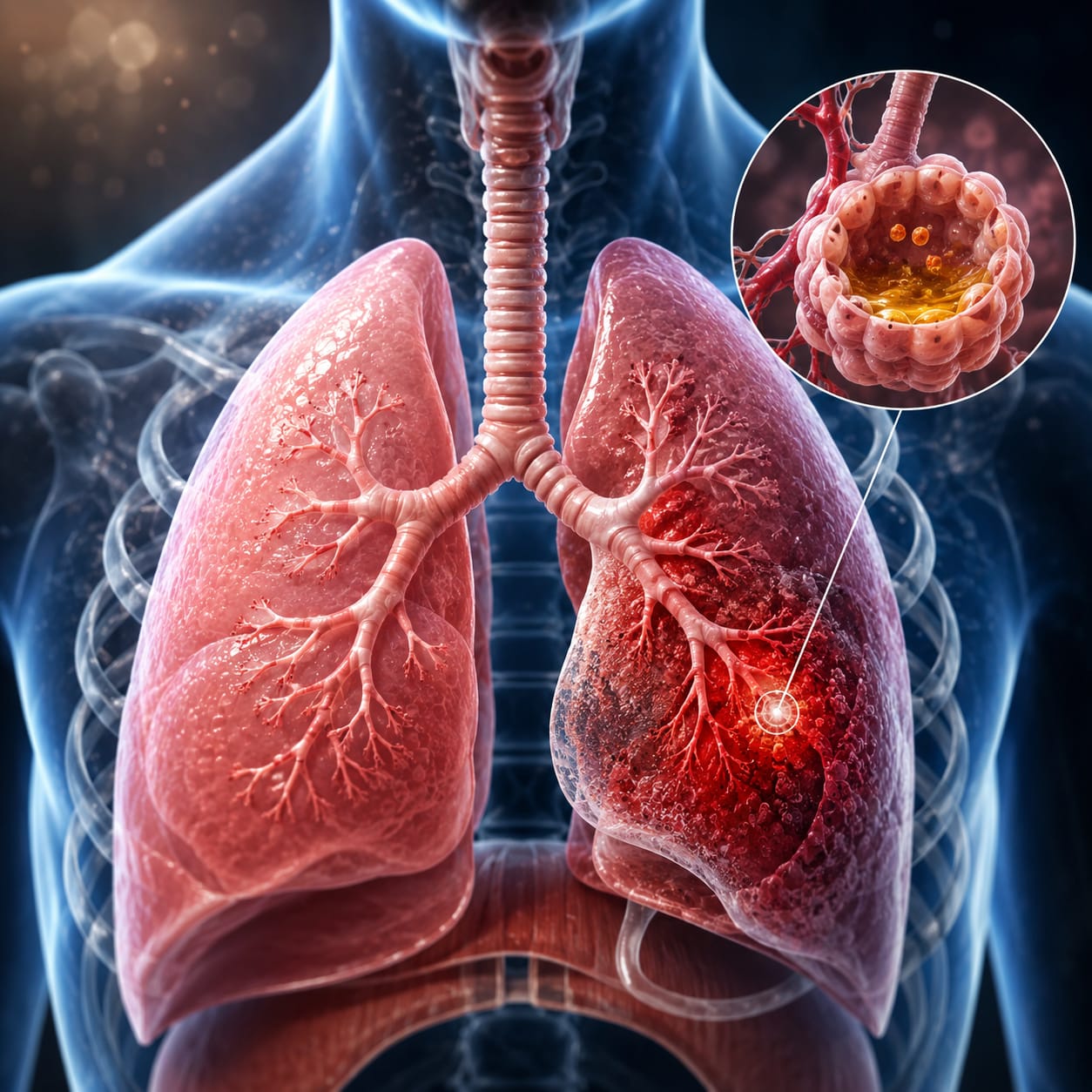
Severe Respiratory Failure
We provide advanced support for children struggling with breathing difficulties.
Mechanical ventilation and oxygen therapy are used when needed.
Continuous monitoring ensures stable respiratory function.
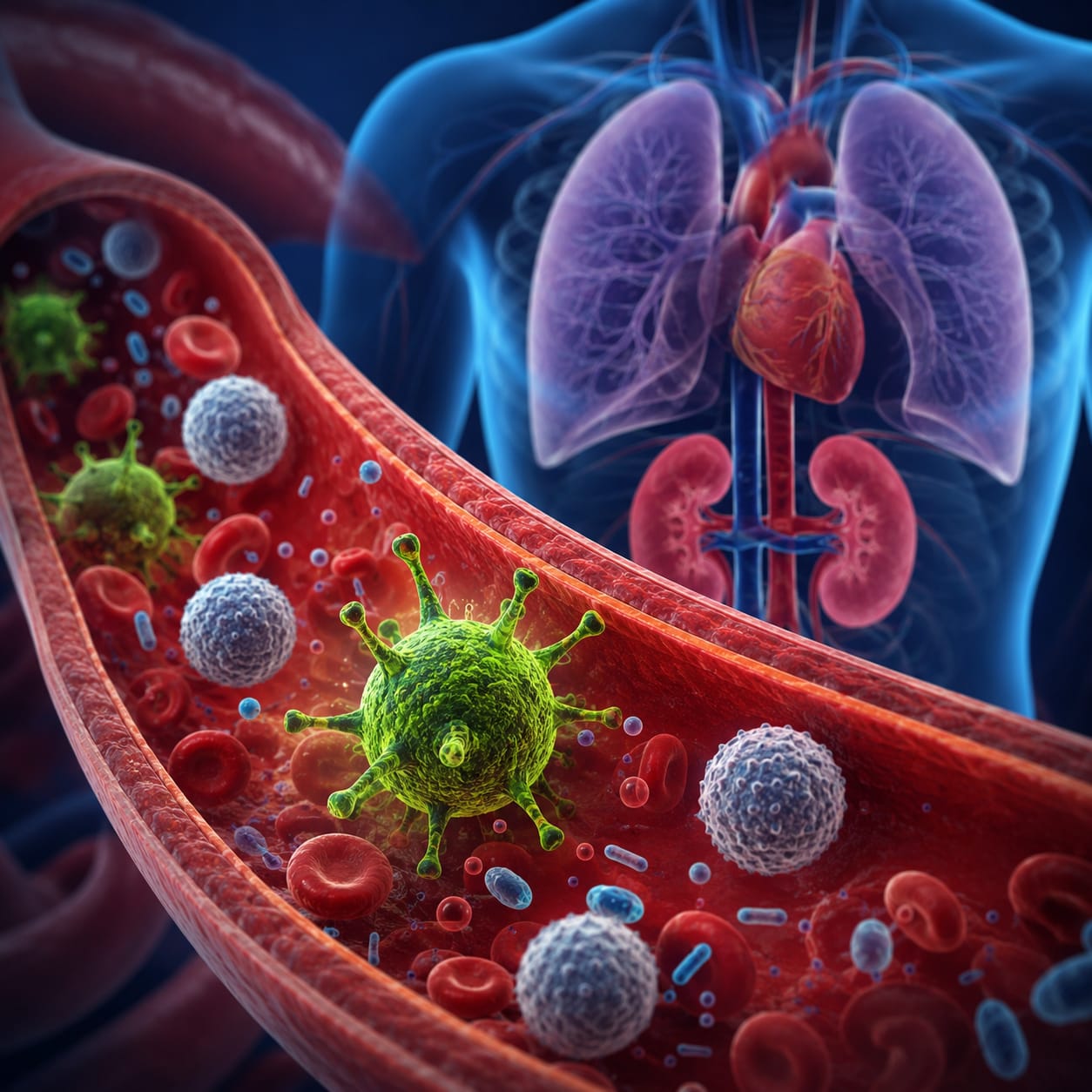
Severe Infections (Sepsis)
Critical infections affecting the body are treated with urgent intensive care.
Strong antibiotic therapy and fluid management are provided.
Close monitoring helps prevent organ failure.
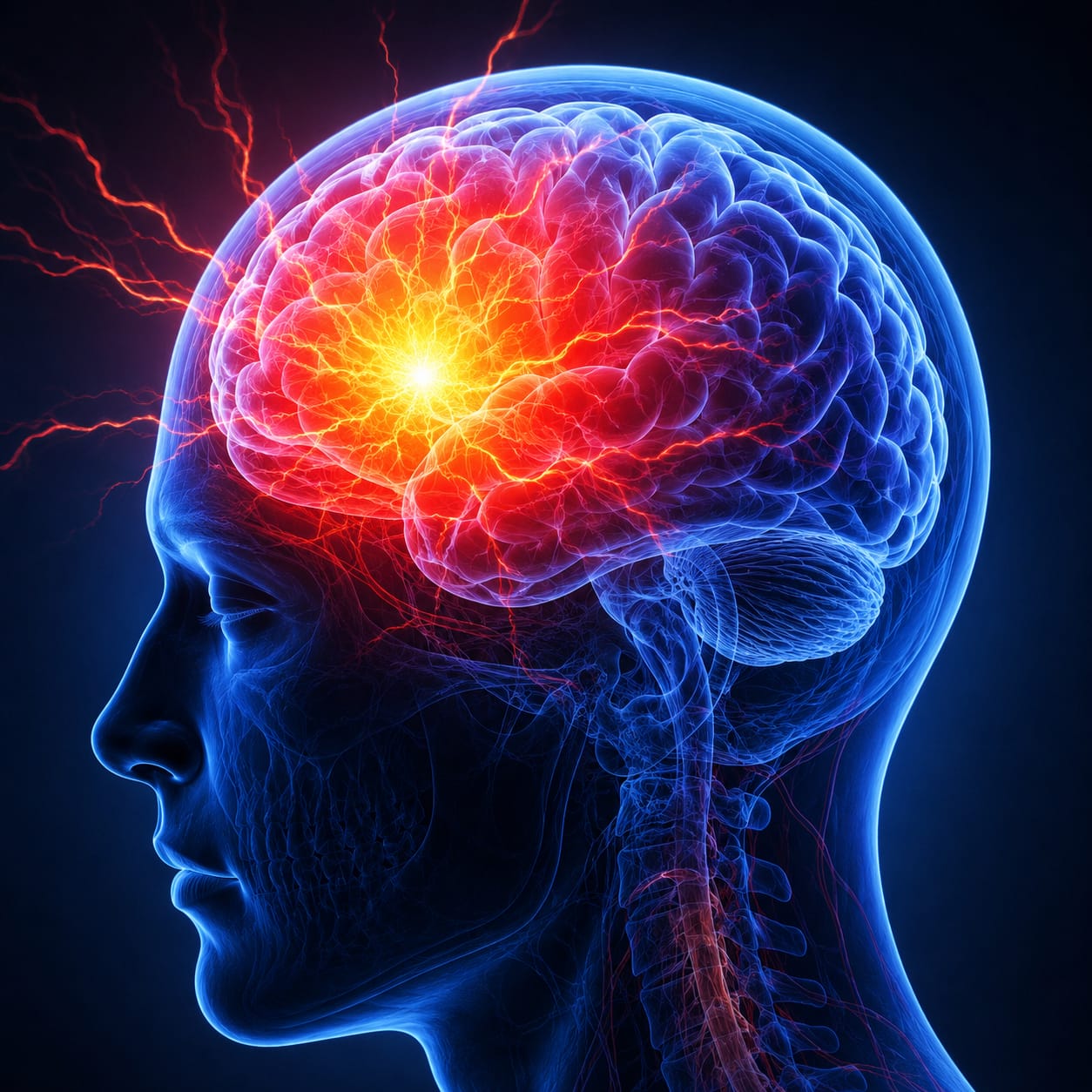
Neurological Emergencies
We manage serious brain and nervous system conditions in children.
Conditions like seizures, head injuries, and unconsciousness are treated.
Immediate intervention helps protect brain function.
Trauma & Accidental Injuries
Emergency care is given for serious injuries caused by accidents.
Rapid stabilization and life-saving procedures are performed.
Multidisciplinary support ensures complete recovery care.

Post-Surgical Critical Care
Children recovering from major surgeries need intensive monitoring.
We ensure pain control, infection prevention, and stability.
Special care is provided during the recovery phase.
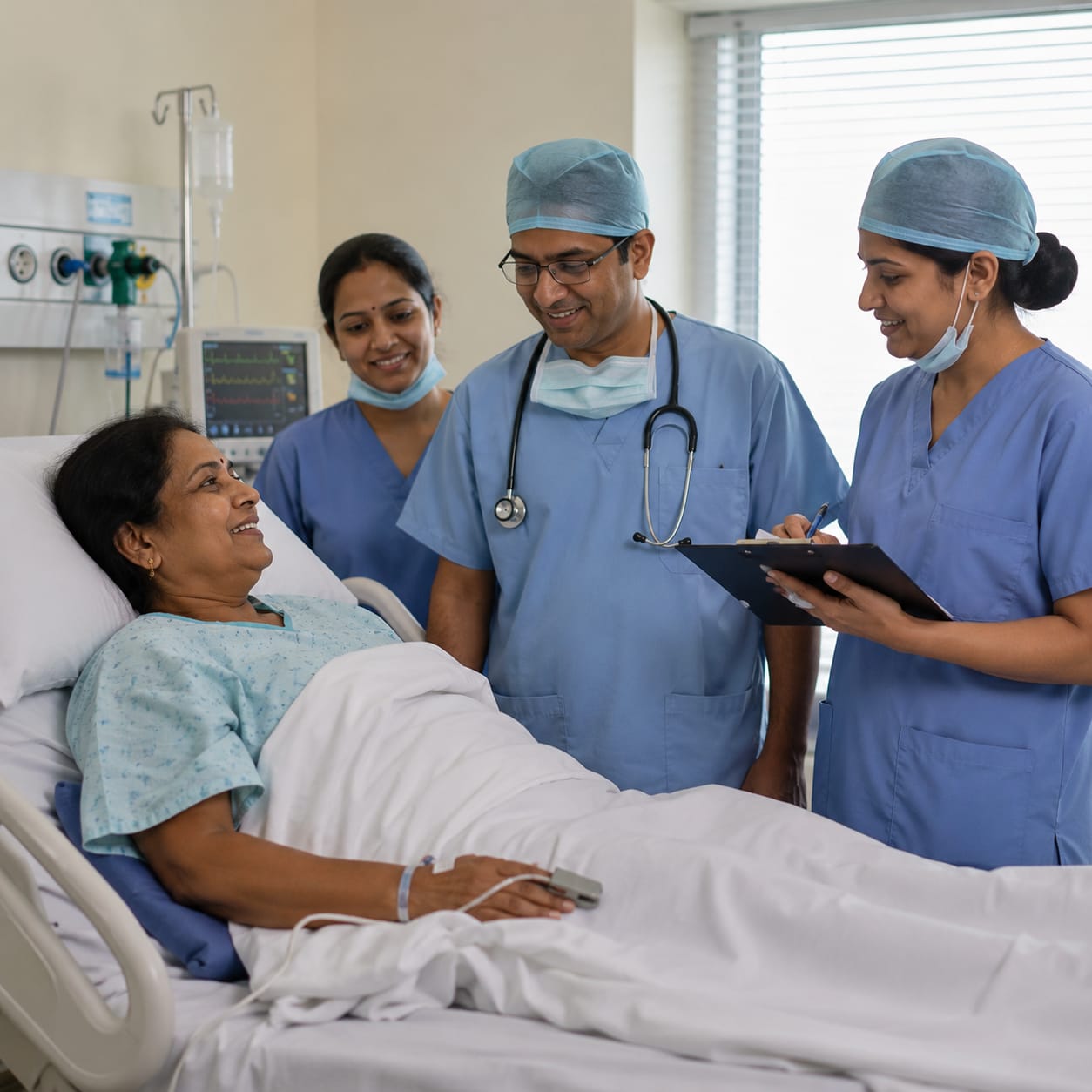
Cardiac & Organ Failure Conditions
We treat severe heart and organ-related critical conditions.
Advanced monitoring and life-support systems are used.
Our focus is on stabilizing and improving organ function.
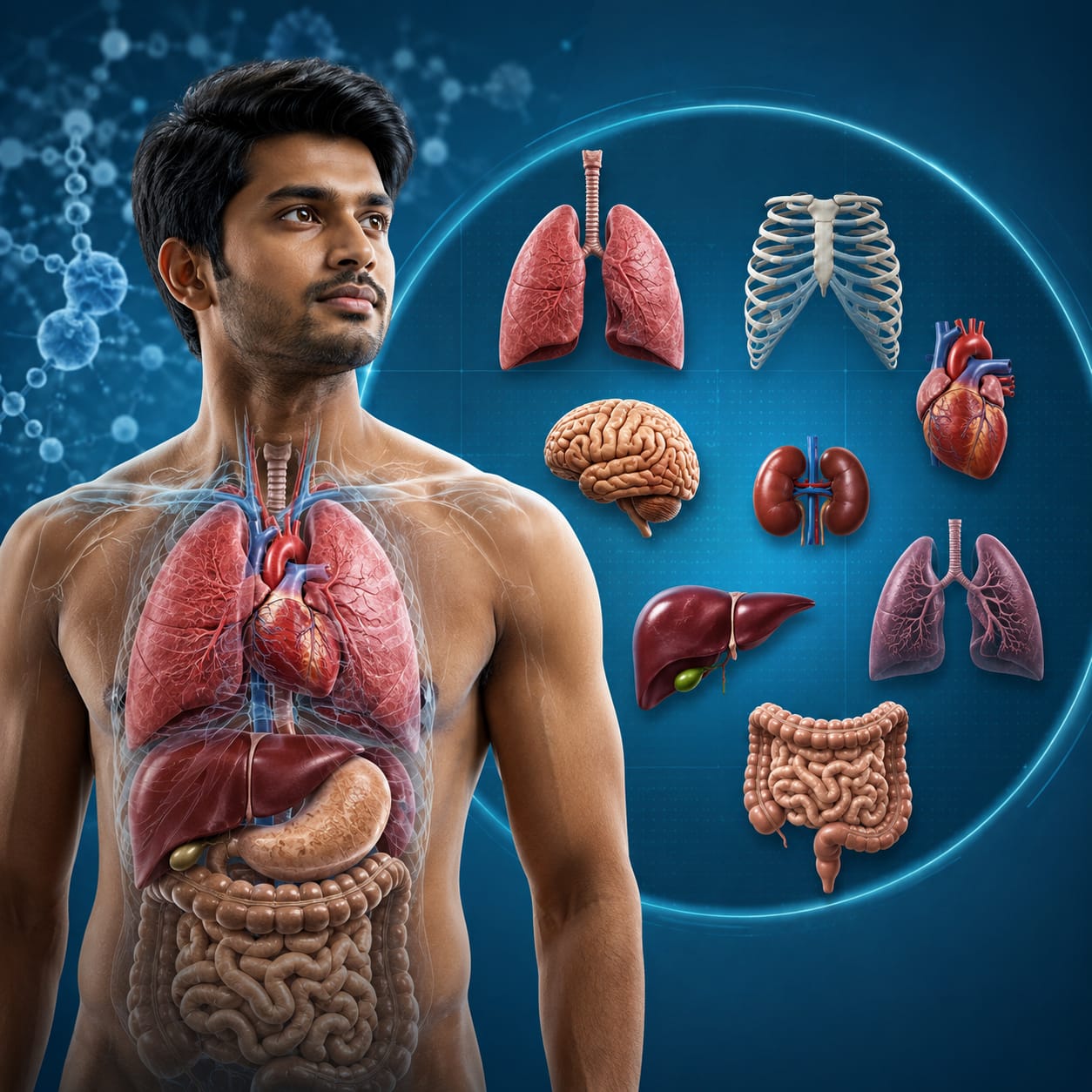
Mechanical Ventilation Support
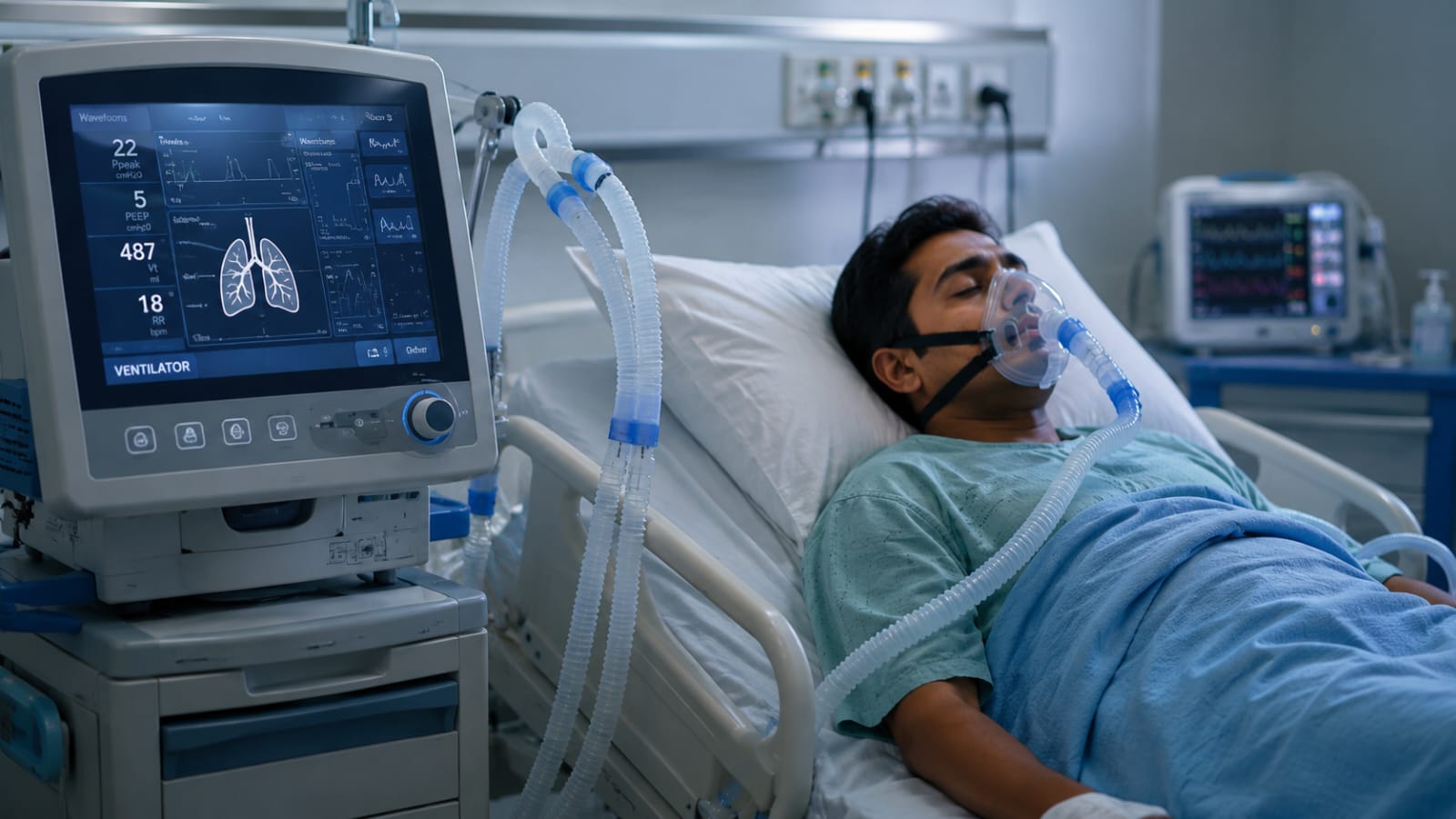
Mechanical Ventilation Support is a life-saving treatment used in the Paediatric Intensive Care Unit for children who are unable to breathe properly on their own. This system delivers oxygen directly into the lungs through a controlled machine, ensuring adequate oxygen supply to the body. It is commonly used in severe respiratory failure, infections, trauma, or post-surgical complications. The ventilator settings are carefully customized based on the child’s age, weight, and medical condition. Continuous monitoring is done to track oxygen levels, breathing patterns, and overall stability. The medical team, including paediatric intensivists and trained nurses, observes the patient 24/7. Immediate adjustments are made whenever required to maintain safety and comfort. This support helps reduce the strain on the lungs and allows the body to heal. It is one of the most critical interventions in intensive care medicine. Gradually, as the child improves, the ventilator support is reduced step by step. The goal is to help the child return to normal breathing naturally. Strict infection control measures are followed throughout the process. Family members are kept informed about the progress at every stage. Mechanical ventilation plays a key role in saving lives in critical conditions.