
Save Lives with Regular Breast Checkups
Breast cancer screening is a test to find breast cancer early before symptoms appear. It includes mammogram and breast check. Early detection helps save lives and improves treatment success.

About the Speciality
Breast cancer screening is a preventive medical process used to detect breast cancer at an early stage, even before any symptoms appear. The main goal of screening is early identification of abnormal changes in breast tissue so that treatment can start quickly and effectively. Early detection greatly improves survival rates and reduces complications.
One of the most commonly used methods in breast cancer screening is mammography. It is a low-dose X-ray test that helps in finding small lumps or changes in the breast that cannot be felt during a physical examination. Mammography is recommended regularly for women in certain age groups or those with higher risk factors.
Another important part of screening is the clinical breast examination, where a doctor physically checks the breasts and underarm areas for any lumps, swelling, or skin changes. Along with this, breast self-examination helps individuals to regularly observe their own breasts and notice any unusual changes early. These methods support early detection when used together.
In high-risk individuals, advanced screening methods such as breast ultrasound, MRI, and genetic testing may be used for more accurate evaluation. These tests help in identifying cancer at a very early stage when standard methods are not sufficient. Regular breast cancer screening plays a vital role in saving lives through early diagnosis and timely treatment.

Breast Cancer Screening
Early Detection Saves Lives
Preventive Screening & Diagnostic Support
Mammography Screening
Clinical Breast Examination
Breast Self-Check Guidance
MRI & Ultrasound Evaluation
Conditions We Care For
Early Breast Changes
We check for any unusual changes in breast shape, size, or skin texture.
Early detection helps in identifying potential risks before they progress.

Breast Lumps
Screening helps detect small or painless lumps that may not be noticeable.
Further tests confirm whether they are benign or require treatment.

Family History Risk
Women with family history of breast cancer need regular screening.
We assess genetic risk factors for early prevention and care.

Hormonal Changes
Hormonal imbalance can affect breast tissue health over time.
Screening helps monitor changes linked to menstrual or menopausal stages.

Breast Pain or Discomfort
Persistent or unusual breast pain should not be ignored.
We evaluate underlying causes to rule out serious conditions.

Nipple Changes or Discharge
Any abnormal nipple discharge or inversion is carefully examined.
These signs may indicate conditions needing further investigation.

Surgery (Lumpectomy / Mastectomy)
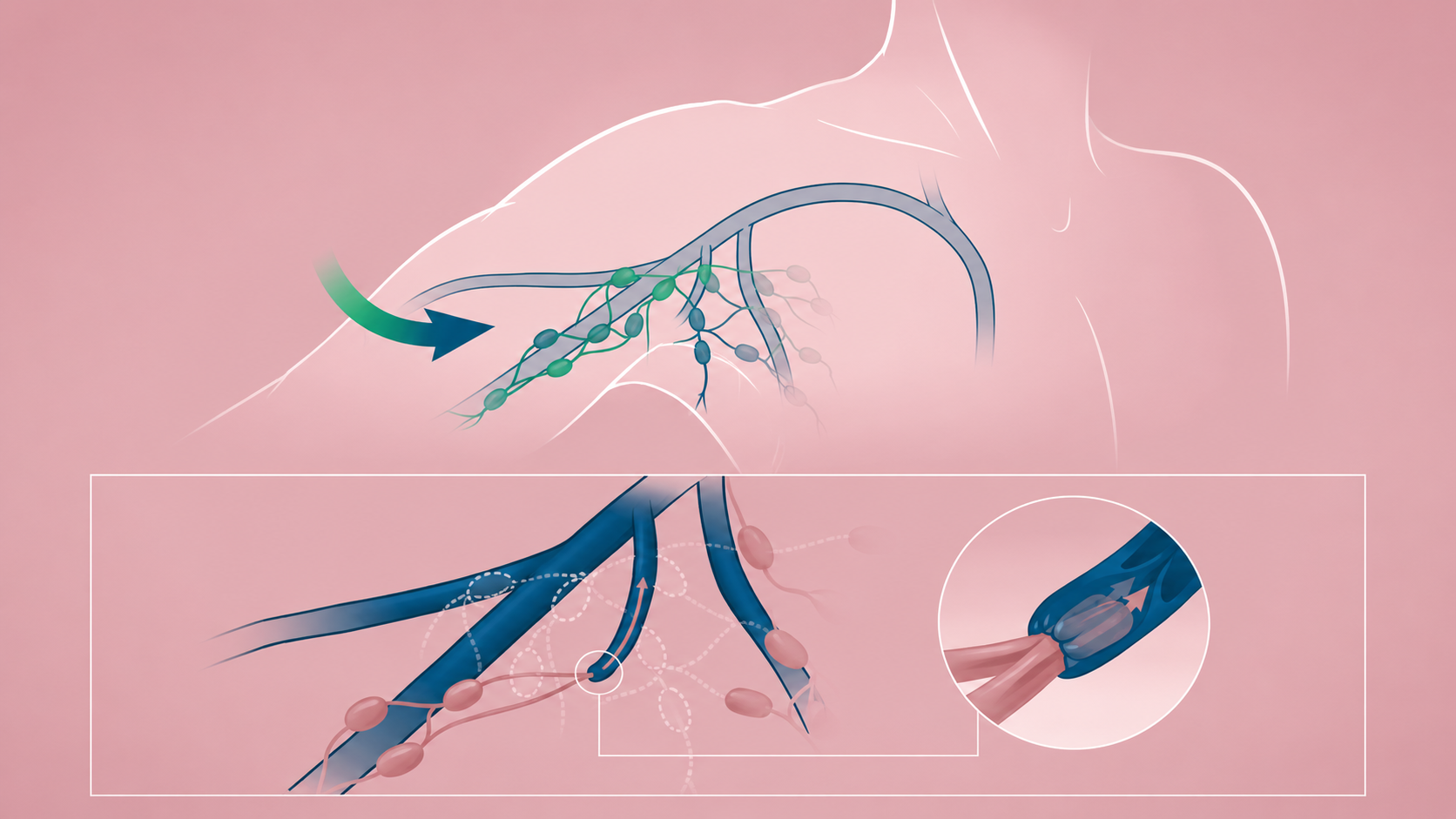
Surgery is one of the primary treatment options for breast cancer and is often recommended based on the stage and spread of the disease. In early-stage cases, a lumpectomy is performed where only the tumor and a small margin of surrounding healthy tissue are removed, helping preserve most of the breast. In more advanced cases, a mastectomy may be required, which involves removing one or both breasts completely to prevent further spread. Before surgery, imaging tests such as mammograms, ultrasound, or MRI are used to locate the exact position of the tumor. The procedure is performed under anesthesia to ensure patient comfort. After surgery, patients may experience pain, swelling, or limited movement, which gradually improves with recovery and care. Doctors also assess lymph nodes to check if cancer has spread beyond the breast. Recovery time varies depending on the type of surgery performed. Post-surgical care is very important to prevent infection and complications. In many cases, additional treatments like radiation or chemotherapy are recommended after surgery. Regular follow-up visits are necessary to monitor healing and detect any recurrence. Emotional support is also important for patients after breast surgery. The main goal of surgery is to remove cancerous tissue effectively. It plays a key role in improving long-term survival rates. Surgery is often the first and most crucial step in breast cancer treatment.

Appointment via WhatsApp
Breast Cancer Screening – Frequently Asked Questions
It helps in early diagnosis and better treatment outcomes.
Women with higher risk factors may need earlier screening based on medical advice.
The procedure is quick and usually completed within a few minutes.
Your doctor will guide you based on your health condition.
Timely diagnosis improves survival rates and treatment outcomes significantly.
Any unusual change should be checked by a doctor immediately.
However, proper medical evaluation is necessary to confirm the condition.
Early examination and diagnosis are very important for proper treatment.