High Risk Pregnancy Care – Safe Motherhood Support
High-risk pregnancy refers to a condition where the mother or baby has a higher chance of health complications during pregnancy or delivery. Regular antenatal check-ups are very important to monitor the health of both mother and baby. A balanced diet, proper rest, and prescribed supplements like iron and folic acid help support a healthy pregnancy. Stress should be avoided, and any unusual symptoms such as bleeding, pain, or dizziness must be reported immediately to a doctor. Early diagnosis and proper medical care can greatly improve outcomes for both mother and baby.
About the Speciality
High-risk pregnancy refers to a condition where the mother or the developing baby has an increased chance of health complications during pregnancy, labor, or delivery. These risks may arise due to maternal age, existing medical conditions like diabetes or hypertension, multiple pregnancies, or previous pregnancy complications. Proper identification of these risks at an early stage is very important for safe pregnancy management.
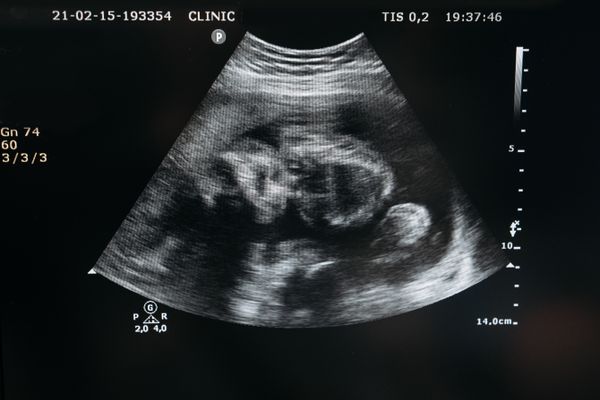
Specialized care in high-risk pregnancy involves regular and close monitoring by experienced obstetricians. Frequent antenatal check-ups, ultrasound scans, and necessary laboratory tests help in tracking the health of both mother and baby. This continuous observation allows doctors to detect any complications early and take immediate action to prevent serious outcomes.
A well-planned care approach includes a balanced and nutritious diet, prescribed medications such as iron, calcium, and folic acid supplements, and strict adherence to medical advice. Rest, stress management, and avoiding strenuous activities are also important parts of care. In some cases, hospitalization or advanced treatments may be required for better monitoring and safety.
With timely medical intervention and proper guidance, most high-risk pregnancies can still result in healthy outcomes. Awareness, early diagnosis, and disciplined follow-up play a crucial role in reducing risks. The combined effort of the healthcare team and the mother ensures a safer pregnancy journey and improves the chances of a healthy baby and mother.

High-Risk Pregnancy Care
Safe & Specialized Maternal Care
Advanced Monitoring for Mother & Baby Health
Regular Antenatal Check-ups
Fetal Growth Monitoring
Ultrasound & Lab Support
Expert Obstetric Guidance
Conditions We Care For
Gestational Diabetes
Gestational diabetes is high blood sugar that develops during pregnancy.
It requires careful monitoring of diet, sugar levels, and medical management.

Pregnancy-Induced Hypertension (PIH)
PIH is high blood pressure that occurs during pregnancy.
Regular check-ups help prevent complications for mother and baby.

Pre-eclampsia
Pre-eclampsia is a serious condition involving high BP and organ stress.
Early detection and treatment are essential for safe delivery.
Multiple Pregnancy (Twins/Triplets)
Carrying more than one baby increases the risk level of pregnancy.
Close monitoring is needed to ensure healthy growth of all babies.
Previous High-Risk Pregnancy History
Women with past pregnancy complications need special care in future pregnancies.
Extra monitoring helps reduce the chance of repeated risks.

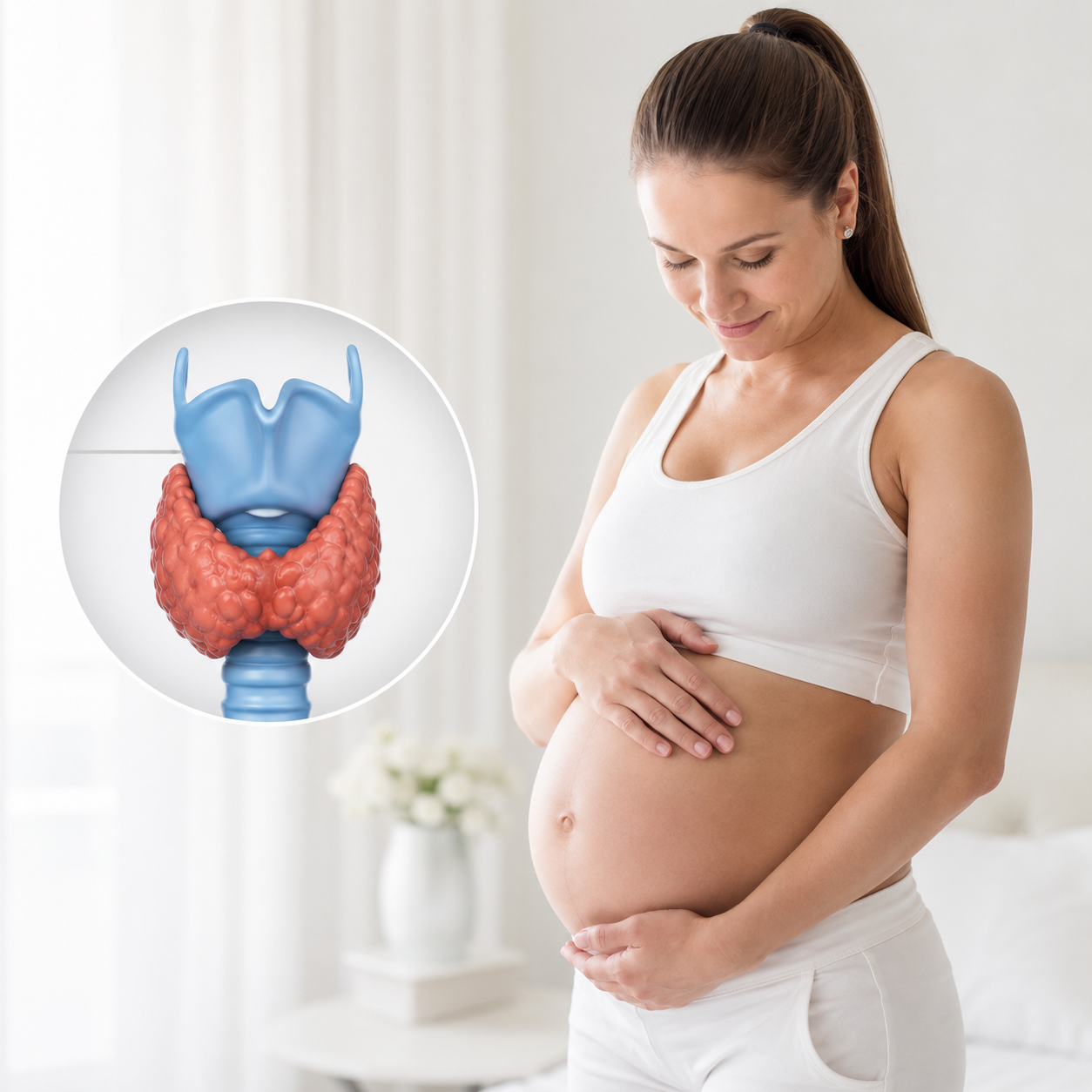
Thyroid Disorders in Pregnancy
Thyroid imbalance can affect both mother’s health and baby’s development.
Proper medication and regular testing help maintain safe hormone levels.
Regular Antenatal Monitoring and Check-ups
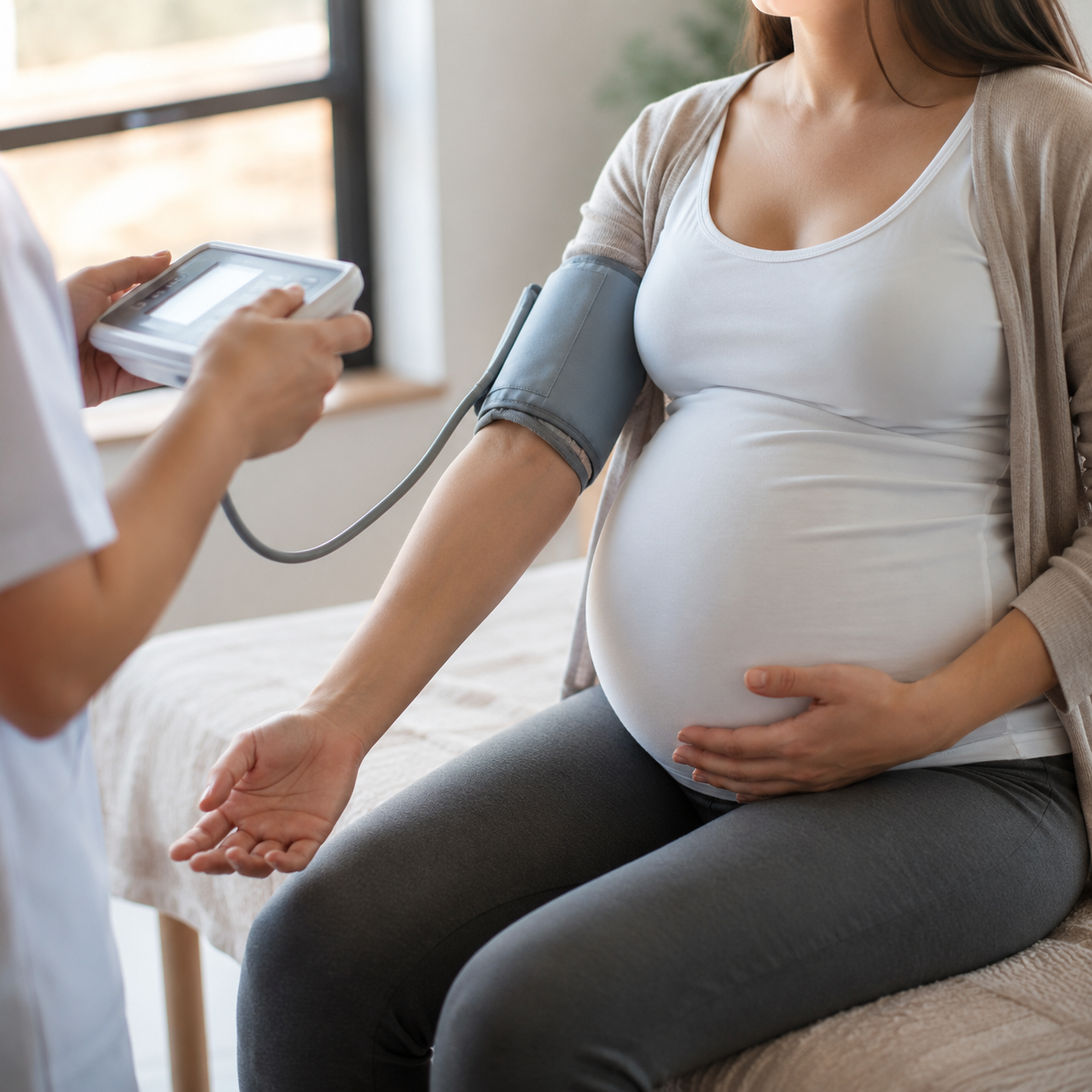
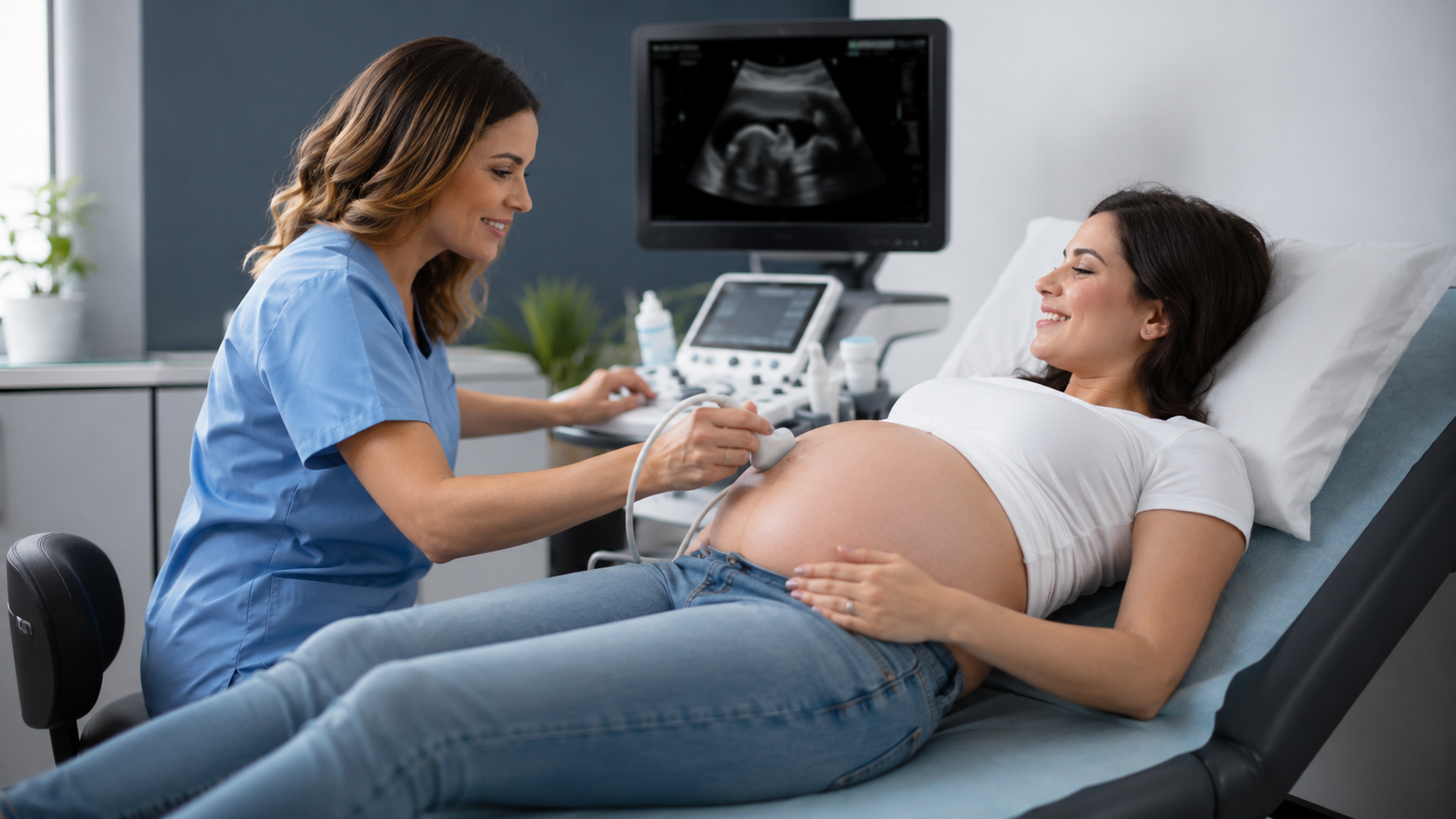
Regular antenatal monitoring is one of the most important treatment approaches in high-risk pregnancy. It helps doctors closely observe the health of both mother and baby throughout the pregnancy period. Frequent check-ups allow early detection of complications such as high blood pressure, diabetes, or fetal growth issues. Routine ultrasounds are used to monitor the baby’s growth, heartbeat, and overall development. Blood and urine tests are also done at regular intervals to check for infections or abnormalities. Doctors may schedule more frequent visits compared to normal pregnancy cases. Continuous supervision helps in timely medical intervention whenever needed. It ensures that any risk factors are managed before they become serious. Mothers are guided about diet, rest, and lifestyle changes during each visit. Proper tracking of weight gain and blood pressure is also done. Medication adjustments are made if required based on test results. This method greatly improves the chances of a safe pregnancy outcome. It reduces emergency situations during delivery. Overall, regular monitoring forms the foundation of high-risk pregnancy care.
Appointment via WhatsApp
High-Risk Pregnancy – Frequently Asked Questions
It requires special monitoring and care throughout pregnancy.
Multiple pregnancies like twins can also make it high-risk.
Early diagnosis plays a key role in better outcomes.
The schedule depends on the specific risk condition.
However, some cases may require a C-section for safety.
Avoiding heavy work and regular monitoring is essential.
Regular monitoring helps reduce risks to the baby.
Immediate medical attention is very important in such cases.